
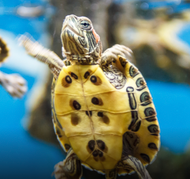
Aquatic Turtle Enclosure Essentials
6th Mar 2026
What Your Turtle Needs to Thrive — Not Just Survive
Aquatic turtles are hardy animals, but they are not necessarily low-maintenance pets. A proper enclosure isn’t about aesthetics or upgrades, it’s about health, growth, and longevity. When even one core element is missing, a turtle’s health can decline quickly and silently.
If you’re going to bring a turtle into your home, these enclosure necessities are non-negotiable:
1. An Appropriately Sized Aquarium
Space matters a lot!
We recommend a minimum of 10 gallons of water for every inch of your turtle’s shell length. This allows for:
- Proper swimming and exercise
- Waste dilution for cleaner water
- Reduced stress and aggression
Small tanks restrict movement, foul quickly, and lead to chronic health issues. Bigger is always better when it comes to turtles.

20 Gallon Turtle Habitat Now With Free Shipping
2. A True Basking Platform
Aquatic turtles must be able to fully exit the water.
A proper basking platform:
- Allows the turtle to completely dry off
- Helps prevent shell rot and fungal infections
- Supports natural basking behavior
Half-submerged rocks or floating décor do not count. Your turtle should be able to climb out easily and rest comfortably above the waterline.

3. Heating & Lighting (UVA + UVB)
This is one of the most critical and most commonly neglected components.
Your turtle requires:
- UVA for appetite, activity, and natural behavior
- UVB for calcium absorption and proper shell and bone development
- A basking heat source to regulate body temperature
Without proper lighting and heat, turtles develop:
- Metabolic bone disease
- Soft or deformed shells
- Stunted growth and immune suppression
Proper lighting and temperature are critical for healthy turtle development. Without the right conditions, a turtle’s body simply cannot function as it should.
Cold temperatures can cause lethargy and suppress the immune system, making turtles more susceptible to illness. When temperatures drop too low, a turtle’s metabolic rate slows, which often leads to a loss of appetite and poor digestion. On the other hand, environments that are too warm — 85°F or higher — can cause overheating and dehydration.
For most aquatic turtles, an environment maintained between 72–80°F is ideal.
While a thermometer is not strictly required, we highly recommend adding one to the enclosure. It’s an easy way to monitor temperatures and make sure your turtle stays within a safe, comfortable range.
When refilling or topping off the water, a good rule of thumb is to check it by touch. If the water feels warm, it’s too hot for your turtle. The water should feel cool and be close to 72°F when added to the enclosure.
Consistent lighting, proper heat, and stable water temperatures create a safe environment where your turtle can eat well, grow properly, and thrive.

Zoo Med Aquatic Turtle UVB & Heat Lighting Kit With Bulbs Included
4. A Quality Filtration System
Turtles are messy — there’s no way around it.
A strong filtration system:
- Removes waste and uneaten food
- Keeps ammonia levels in check
- Reduces harmful bacteria growth
Clean water is not about looks, it’s about organ health, shell health, and longevity. Poor water quality leads to infections, respiratory issues, and rapid decline. If you use public water that is treated with chemicals, you also need a water conditioner to neutralize the chemicals in the water. If you have a well system, and your water is not treated with harsh chemicals, then a water conditioner is not necessary.

Zilla Aquatic Reptile Internal Filter 20 Gallon Size
5. Proper Nutrition
Food is more than feeding, it’s fueling development.
A balanced turtle diet supports:
- Healthy shell growth
- Strong bones and organs
- Long-term vitality
Feeding your turtle properly and consistently is essential to their long-term health. When turtles are fed incorrectly or irregularly, it can lead to deformities and lifelong health issues.
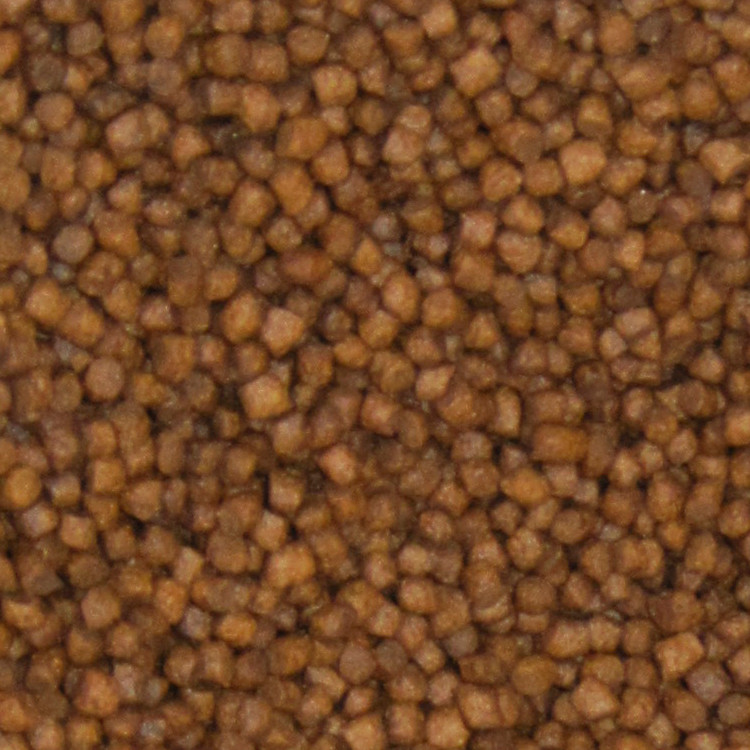
We recommend offering only as much food as your turtle will eat within a 15-minute period once a day and feeding them inside their enclosure whenever possible. Placing pellets directly into the water allows your turtle to smell the food more easily, locate it, and eat comfortably. Avoid placing food on dry basking areas, as turtles often struggle to find and access food outside the water.
If your turtle shares an enclosure with larger or more aggressive tank mates that eat similar foods, it’s best to temporarily remove your turtle and feed them separately. This ensures they are getting enough food and proper nutrition without competition.
Keep in mind that being removed from their familiar habitat, or having someone closely watch while they eat, can sometimes cause stress. If your turtle doesn’t eat right away in these situations, don’t worry. Simply place the food in the water, step away, and give them a little space. Once they feel safe and relaxed, they will often begin eating on their own.
A calm, consistent feeding routine helps your turtle feel secure and supports healthy growth over time.
Optional But Strongly Recommended
While not strictly essential, these additions help create a more enriching and comfortable habitat:
- Rocks and décor for exploration and security
- Live or artificial plants for cover and stimulation
These elements reduce stress and encourage natural behaviors. A happier turtle is a healthier turtle.

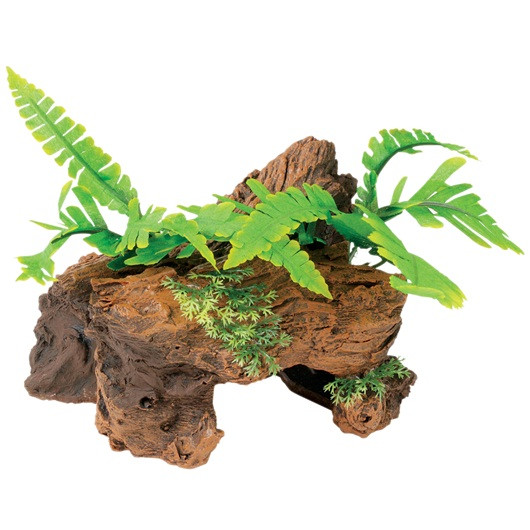
Exo Terra Water Hyacinth Malaysian Driftwood With Plants
The Non-Negotiables
At minimum, every aquatic turtle enclosure must include:
- Proper lighting (UVA + UVB)
- Adequate heating
- Clean, filtered water
- A dry basking/resting spot
You can always add more — but never add less.
Turtle Ownership Is an Investment and an Adventure
Owning a turtle is a long-term, but worthy commitment. These animals can provide companionship for decades when cared for properly, but only if their needs are met with consistency and care.
Cutting corners doesn’t save money. It leads to vet bills, preventable illness, and heartbreak.
If you’re going to keep a turtle, do it right. Their health depends on you!
If you ever have questions about enclosure setup, upgrades, or species-specific needs, we’re always here to help you build a habitat your turtle can truly thrive in! Call or email our Customer Care team for a free consultation, customercare@myturtlestore.com or (656) 777-1509